
Hollywood Family Immigration Lawyers
Bringing a spouse, parent, child, or fiancé to the United States can involve months or years of planning. Even when your family relationship clearly qualifies, approval is not automatic.
Sukkar & Associates helps families in Hollywood prepare petitions and respond when a case becomes more complicated than expected. We can review the family relationship, prior immigration history, and available documents before anything is filed.
Which Family Members You May Sponsor for Immigration
U.S. citizens can petition for a close family member, such as a spouse, parent, child, adult son or daughter, or sibling. You must be at least 21 years old to petition for a parent or sibling.
Green card holders have fewer options to help family members seek citizenship. In most cases, a family member with a green card can file petitions for close family members. However, they cannot file a family petition for a parent, sibling, or married child unless they later become a U.S. citizen.
Relative petition
Fiancé visa
Age to petition a parent
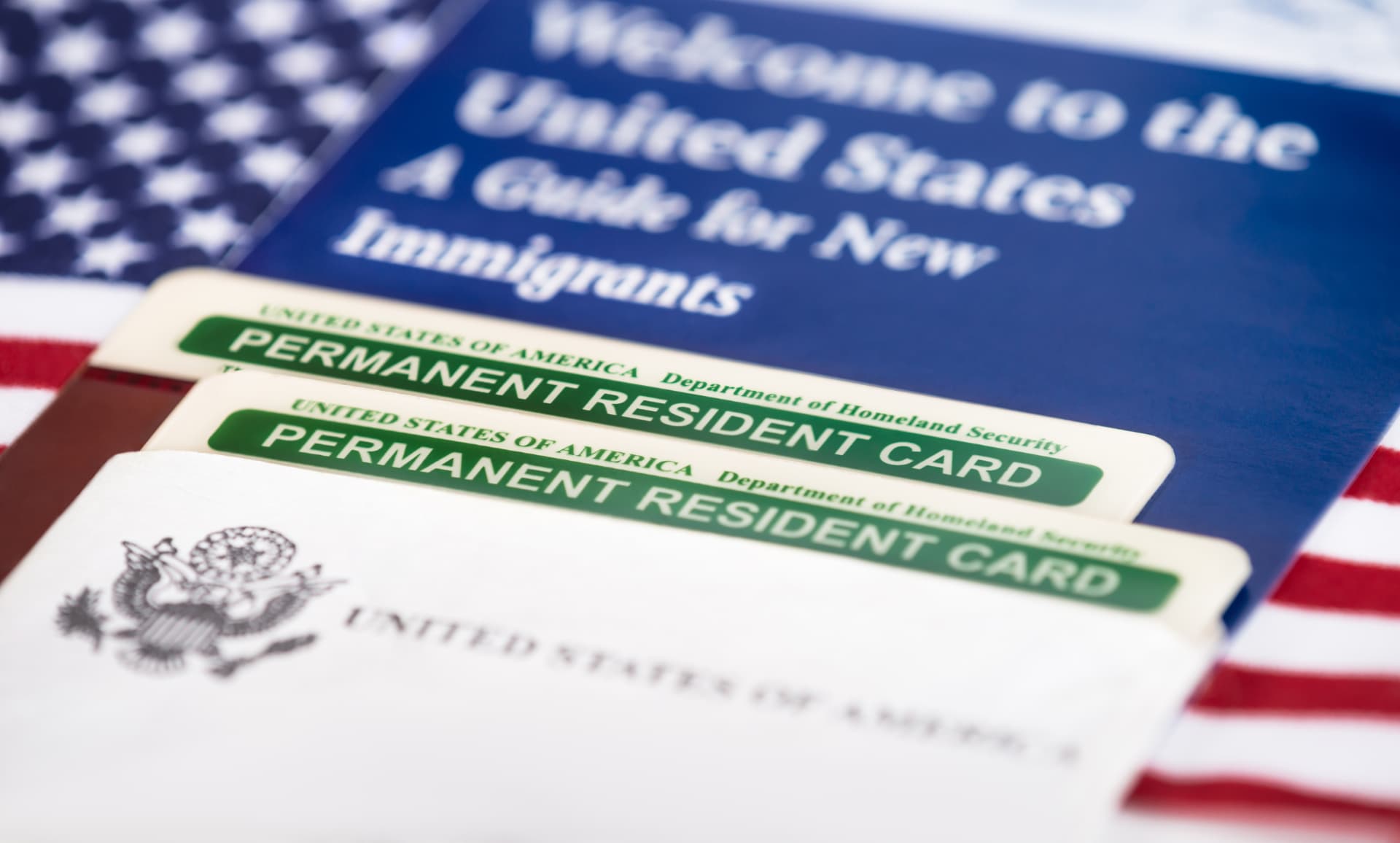
Why You Need Hollywood Family Immigration Lawyers
Immigration forms often ask simple-looking questions with legal consequences.
An answer about a prior entry, arrest, marriage, or immigration application can change which process is available.
We can review passports, visa records, I-94 history, prior petitions, divorce records, criminal documents, and any notices received from immigration agencies before you file.
A lawyer can help you decide which records are useful and which need more explanation. Sending hundreds of pages without a clear purpose does not necessarily make a case stronger.
When USCIS or the National Visa Center asks for more information, we can prepare a response that addresses the actual concern and keeps the case moving.
What Can Slow Down or Complicate a Family Petition
Documentation issues are commonly the cause of slow processing and denials. Financial sponsorship can create another issue. The petitioner may need to show enough income or obtain help from a qualifying joint sponsor. Sending a tax return without the requested supporting records may not be enough. USCIS may issue a Request for Evidence when the original filing needs more information and support.
Other problems require more careful planning. An arrest, prior removal order, unlawful presence, false claim to citizenship, or inaccurate answer on an earlier application can affect the case. A relative who entered on someone else’s documents faces a different issue from someone who overstayed a visa.
Do not leave out an uncomfortable fact because it happened years ago. Immigration agencies often have access to old applications and entry records. It is better for your lawyer to find the problem before the government raises it.
How Marriage and Fiancé Cases Are Reviewed
A marriage certificate proves that a legal marriage took place. It does not, by itself, prove that the couple married in good faith. USCIS may ask for records showing how you have combined your lives. Couples often provide a lease, mortgage, insurance policies, bank records, travel history, photographs, messages, and documents involving children or shared responsibilities.
Not every couple has a joint checking account or owns a home. Newly married couples and spouses who have lived in different countries may have fewer shared records. In that situation, the evidence should explain how the relationship developed and how the couple stays involved in each other’s lives.
A U.S. citizen may also file for a foreign fiancé through the K-1 process. After arriving with a K-1 visa, the fiancé must marry the U.S. citizen who filed the petition within 90 days. Then, a foreign spouse can apply for permanent residence based on that marriage. The 90-day rule is not a general period for deciding whether to marry any U.S. citizen — the marriage must be to the original petitioner.
How Family Green Card Cases Move Forward
Most cases begin with Form I-130. The U.S. citizen or permanent resident files this petition to establish the qualifying family relationship.
An approved I-130 is an important step, but it does not grant lawful permanent residence by itself. Your relative must still complete the part of the process that applies to their situation.
A relative living outside the country will usually go through consular processing. After the petition reaches the National Visa Center, the family submits fees, civil records, financial sponsorship documents, and other required information.
The relative later attends a medical examination and an interview at a U.S. embassy or consulate.
Get Help With Family Immigration From Sukkar & Associates
Sukkar & Associates assists families in Hollywood with relative petitions, marriage-based green cards, fiancé visas, adjustment of status, consular processing, and responses to government notices.
We will review your family relationship, immigration history, and goals before recommending what to file. Call Sukkar & Associates at (954) 922-2836 or contact us through our website to discuss your family immigration matter.
Common Questions
A U.S. citizen can petition for a spouse, parent, child, adult son or daughter, or sibling. You must be at least 21 years old to petition for a parent or sibling.
In most cases a permanent resident can file petitions for close family members, but not for a parent, sibling, or married child unless they later become a U.S. citizen.
No. An approved I-130 establishes the qualifying family relationship. Your relative must still complete adjustment of status or consular processing, whichever applies to their situation.
Not every couple has a joint checking account or owns a home. The filing should explain how the relationship developed and how the couple stays involved in each other’s lives instead of presenting records without context.
Call Sukkar & Associates at (954) 922-2836 or contact us through our website to discuss your family immigration matter.
Explore More
Have an Immigration Question?
Schedule a confidential consultation with Sukkar & Associates and explore every immigration option available to you and your family.