
Hollywood Temporary Non-Immigrant Visa Lawyers
People come to the United States for very different reasons. One person may be visiting family for two weeks. Another may be starting a graduate program, transferring to a company office, performing at an event, or attending a business conference.
The application needs to match what you genuinely plan to do after you arrive. A visitor visa is not a substitute for work authorization. It is also not the right choice for someone who plans to enroll in a full-time degree program. Past immigration issues can make the decision less clear — a previous overstay, visa refusal, arrest, removal case, or period of unauthorized employment may affect what happens next.
Sukkar & Associates helps people in Hollywood review their options before they apply. We look at the purpose of the trip, the planned length of stay, prior travel, and any history that could raise questions during the visa process.
Which Temporary Visa May Fit Your Plans
Someone visiting for tourism or to spend time with relatives may apply for a B-2 visa. A person traveling for certain short-term business activities may use the B-1 category, which can include attending meetings, negotiating a contract, or participating in a conference.
Academic students generally use F-1 status. M-1 status is intended for certain vocational programs. Exchange visitors usually need J-1 status and sponsorship from an approved program. Employment cases are more varied: H, L, O, P, R, and TN classifications cover different types of work and different groups of applicants.
The visa that worked for a friend or coworker may not fit your plans. Start with the activity itself. What will you do each day while you are here? Who will pay you? How long will you remain? A visa also does not promise entry, only that you can travel to a port of entry — a border officer still decides whether you can enter and how long you can stay.
Business & tourism
Study & exchange
Temporary employment
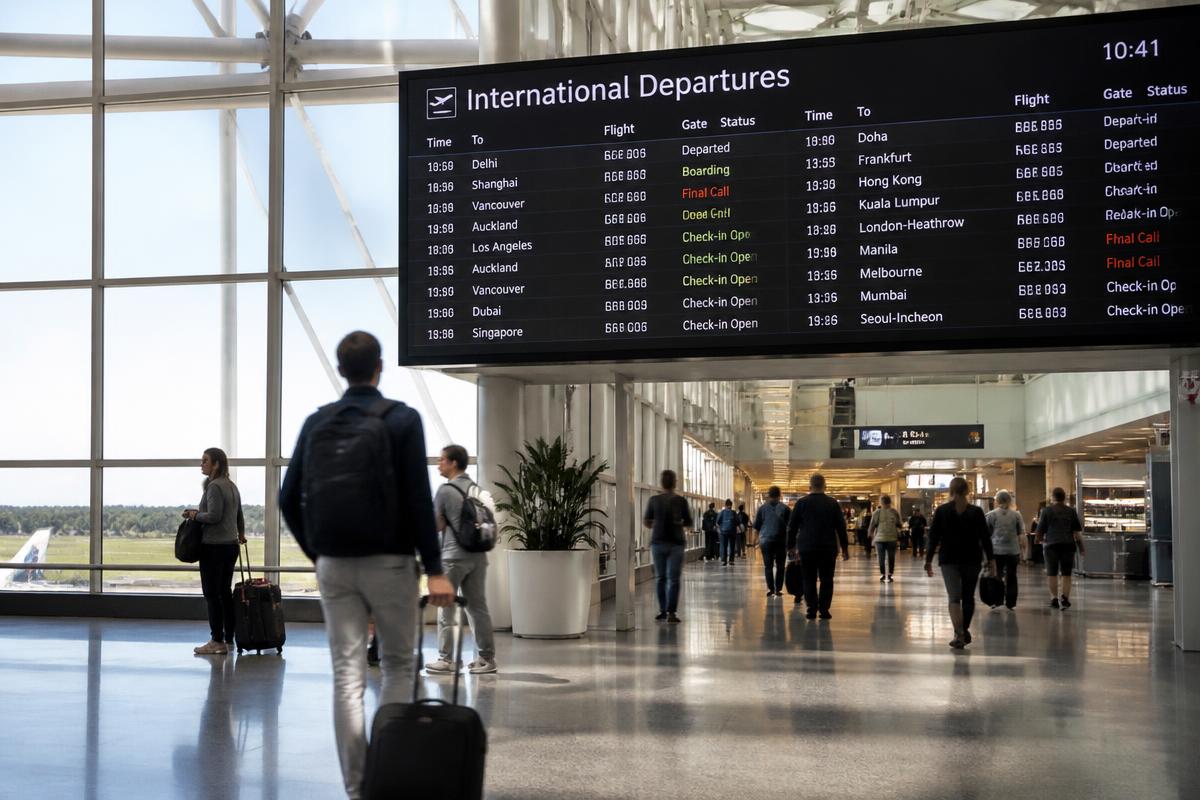
How Work, Study, and Visitor Visas Differ
Many temporary workers cannot apply on their own. A United States employer or another qualifying organization often needs to file a petition with USCIS first.
The petition usually relates to a particular employer, position, and visa classification. Approval does not give someone permission to take any job they find after arriving, and changing employers or duties may require another filing.
An academic student generally needs admission to an approved school and a valid Form I-20. Exchange visitors receive Form DS-2019 through the organization sponsoring the program.
A person admitted for tourism can visit friends, travel, or take part in other permitted activities. Regular employment is not allowed. A B-1 visitor may conduct limited business, but attending meetings is not the same as working in an American office for ordinary wages.
What You May Need to Show
The documentation that you need depends on the visa you apply for. Students generally need to prove that they are in school. Temporary workers may need evidence of employment, education, experience, or certification. A visitor should be ready to explain the reason for the trip and how long it will last, and the officer may also want to know why the applicant is expected to leave when the visit ends.
Employment, family responsibilities, education, property, and other ties outside the United States can help explain those plans. There is no single document that guarantees approval, and intent rules also vary — advice that applies to a tourist visa may not apply to certain employment classifications.
Be open with your lawyer about earlier immigration problems. Do not leave out an overstay because it happened years ago, and do not assume a dismissed arrest is irrelevant. Government agencies may still have records of prior applications, border interviews, court proceedings, and visa refusals.
What the Visa Date Does Not Tell You
The expiration date on your visa usually tells you how long the visa can be used to travel to the United States and request entry. It does not necessarily tell you how long you can remain after you arrive. Your admission record controls that question, and in many cases the record appears on Form I-94.
Check the I-94 after every entry. Errors happen. A wrong date can create an overstay even when the visa stamp in your passport remains valid for several more years.
If you need additional time, you may be able to request an extension, and some people may also qualify to change from one temporary status to another. The request should generally be filed before the current period of authorized stay ends. A pending application does not automatically give you permission to start working, begin school, or take part in another activity your present status does not allow.
Why Legal Review Can Matter Before You Apply
A job title may sound different from the duties listed in the employer's letter. A business traveler may plan hands-on work without realizing that the activity requires employment authorization.
A student may have a school start date that arrives before a status request can be decided, which changes what should be filed and when.
Applicants may not remember what they wrote five or ten years ago, but the government may still have the form. We review prior filings, entry records, immigration notices, school documents, and employment information.
We can help you prepare for a consular interview and explain how to answer questions accurately without providing unnecessary or confusing information. For people already here, we can examine whether an extension or change of status is available.
Get Help With a Temporary Visa From Sukkar & Associates

Sukkar & Associates assists people with visitor, business, student, exchange, and temporary employment visa matters. We begin with what you actually plan to do in the United States.
From there, we review your qualifications, travel history, prior applications, and any issue that could affect the case. Call Sukkar & Associates at (954) 922-2836 or contact us through our website.
Common Questions
No. A visitor visa is not a substitute for work authorization. A B-1 visitor may conduct limited business activities such as meetings or negotiations, but regular employment is not allowed.
No. A visa only allows you to travel to a port of entry. A border officer still decides whether you can enter and how long you can stay.
Your admission record controls that, and in many cases it appears on Form I-94. Check the I-94 after every entry, because a wrong date can create an overstay even when the visa remains valid.
You may be able to request an extension or a change to another temporary status. The request should generally be filed before your current period of authorized stay ends, and a pending application does not by itself authorize new activity.
Call Sukkar & Associates at (954) 922-2836 or contact us through our website to review which visa category fits your plans.
Explore More
Have an Immigration Question?
Schedule a confidential consultation with Sukkar & Associates and explore every immigration option available to you and your family.