
Hollywood EB-2 Visa Lawyers
Hollywood Family Immigration Lawyers
Hollywood EB-2 Visa Lawyers
You may have the degree. You may have years of experience. You may even have a U.S. employer ready to hire you. The harder question is whether all of that meets the EB-2 requirements for USCIS.
That is where people can run into trouble. A strong career does not always translate neatly into immigration paperwork.
Sukkar & Associates helps professionals and employers in Hollywood with EB-2 petitions and other employment-based immigration matters. We can review your background first and help you decide what kind of case your records support.
Which Family Members You May Sponsor for Immigration
Who May Qualify for an EB-2 Visa?
The EB-2 category covers people with advanced degrees or exceptional ability in the sciences, arts, or business.
If you have a master’s degree or another degree beyond a bachelor’s, you may qualify through the advanced-degree route. You may also qualify if you have a bachelor’s degree and at least five years of progressive experience in your field.
Exceptional ability is different. USCIS looks for signs that your experience and accomplishments go beyond what is normally expected in your profession. You may fit one path clearly. In other cases, it takes a closer look at your education and work history to see where you stand.
I-130
Relative petition
K-1
Fiancé visa
21+
Age to petition a parent
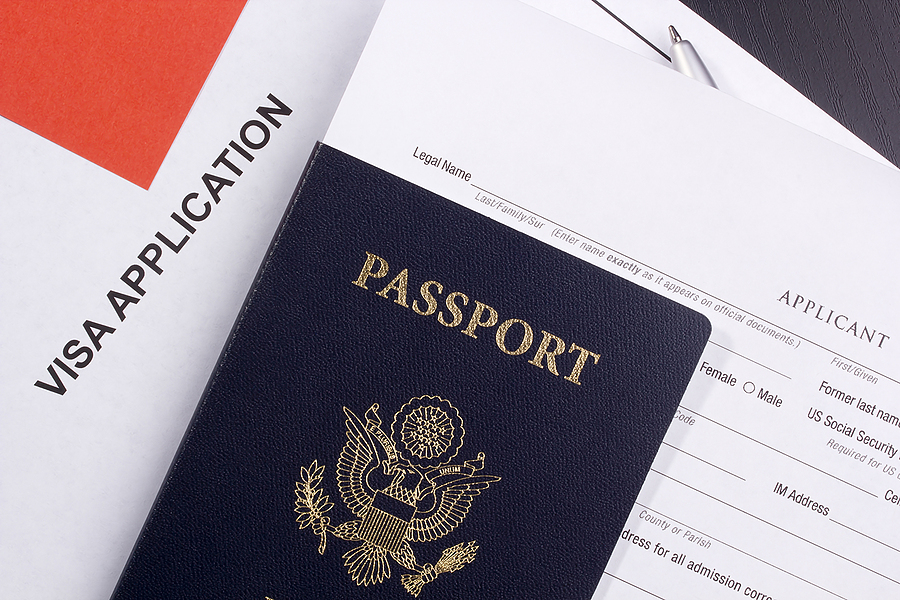
Why You Need Hollywood Family Immigration Lawyers
Which EB-2 Category May Fit Your Education and Experience?
A master’s degree can make the advanced-degree requirement easier to show, especially when it connects directly to the work you plan to do. A bachelor’s degree case may take more explanation.
USCIS may want to see when you gained your experience, what you actually did in those jobs, and whether your responsibilities became more advanced over time. A letter that simply says you worked somewhere for seven years may not tell enough of the story.
If you are applying based on exceptional ability, the focus can shift. Professional licenses, years of experience, compensation, memberships, and recognition from others in your field may matter more. Your paperwork must match the category you claim.
Records Reviewed First
We can review passports, visa records, I-94 history, prior petitions, divorce records, criminal documents, and any notices received from immigration agencies before you file.
Evidence With a Purpose
A lawyer can help you decide which records are useful and which need more explanation. Sending hundreds of pages without a clear purpose does not necessarily make a case stronger.
Responses That Keep Cases Moving
When USCIS or the National Visa Center asks for more information, we can prepare a response that addresses the actual concern and keeps the case moving.

What Can Slow Down or Complicate a EB-2 Petition
What Evidence Can Support an EB-2 Petition?
Start with the records that show what you have actually done. That may include diplomas, transcripts, employment letters, job descriptions, licenses, certifications, and documents showing your professional history.
If you are claiming exceptional ability, you may also have evidence showing higher compensation, membership in professional organizations, or recognition from people or organizations in your field. Employer-sponsored cases may require records related to the job itself and the labor certification process.
More pages do not automatically make a better case. A petition can include hundreds of pages and still leave USCIS wondering whether you meet a basic requirement. The documents need to answer the questions USCIS is likely to ask.
Documents & Sponsorship
- Missing or inconsistent civil records
- Income below the sponsorship requirement
- Tax returns without supporting records
- Requests for Evidence from USCIS
History That Needs Review
- An arrest or criminal charge
- A prior removal order
- Unlawful presence or an overstay
- A false claim to citizenship or an inaccurate answer
How EB-2 Cases Are Reviewed
When Can a National Interest Waiver Apply?
Some EB-2 applicants may be able to request a National Interest Waiver, usually called an NIW. With an NIW, you may be able to move forward without the usual job offer and labor certification requirements. You may also file the petition yourself. First, though, you still need to qualify for EB-2.
USCIS will then look at the work you plan to pursue in the United States and why it matters. It will also assess whether your background suggests you are well positioned to carry out that work. This part can be easy to misjudge. Being good at your job does not automatically mean your proposed work meets the NIW standard.
How Family Green Card Cases Move Forward
How a Hollywood EB-2 Visa Lawyer Can Help With Your Case
Sometimes the biggest problem with an EB-2 petition is not the applicant’s background. It’s how the case is put together.
Your employment letters may be too vague. Perhaps your job duties don’t clearly align with your degree. You might have strong professional accomplishments but very little documentation explaining why they matter.
At Sukkar & Associates, we can review those issues before the petition goes to USCIS. If you are considering an NIW, we can also look at the work you plan to do in the United States and whether the evidence supports the argument you want to make.
Get Help With Family Immigration From Sukkar & Associates
Get Help With Immigration from Sukkar & Associates
If you’re considering an EB-2 petition, gather what you already have. Bring your degrees, resume, employment letters, job information, and records showing your professional experience.
You do not need to figure out the entire case on your own before talking with a lawyer. Call Sukkar & Associates in Hollywood at (954) 922-2836 to discuss your EB-2 case and what your next step may look like.
How We Help
Sukkar & Associates assists families in Hollywood with relative petitions, marriage-based green cards, fiancé visas, adjustment of status, consular processing, and responses to government notices.
Contact Sukkar & Associates
We will review your family relationship, immigration history, and goals before recommending what to file. Call Sukkar & Associates at (954) 922-2836 or contact us through our website to discuss your family immigration matter.
Common Questions
Family Immigration FAQs
Which relatives can a U.S. citizen petition for?
A U.S. citizen can petition for a spouse, parent, child, adult son or daughter, or sibling. You must be at least 21 years old to petition for a parent or sibling.
Can a green card holder petition for family members?
In most cases a permanent resident can file petitions for close family members, but not for a parent, sibling, or married child unless they later become a U.S. citizen.
Does an approved I-130 give my relative a green card?
No. An approved I-130 establishes the qualifying family relationship. Your relative must still complete adjustment of status or consular processing, whichever applies to their situation.
What if we do not have joint bank accounts or property?
Not every couple has a joint checking account or owns a home. The filing should explain how the relationship developed and how the couple stays involved in each other’s lives instead of presenting records without context.
How do I reach a Hollywood family immigration lawyer?
Call Sukkar & Associates at (954) 922-2836 or contact us through our website to discuss your family immigration matter.
Explore More
Our Practice Areas
Have an Immigration Question?
Take the first step toward your American dream.
Schedule a confidential consultation with Sukkar & Associates and explore every immigration option available to you and your family.