
Hollywood EB-1 Visa Lawyers
Hollywood Family Immigration Lawyers
Bringing Family to the United States Takes Planning
An EB-1 visa may give you a path to permanent residence if your career includes a high level of professional achievement. The category can apply to certain researchers, professors, executives, managers, artists, scientists, business professionals, and others with strong records in their fields. The harder question is whether your background meets USCIS’s rules.
At Sukkar & Associates, we help clients in Hollywood and elsewhere prepare employment-based immigration cases. We can review your work history and evidence before you decide how to move forward with an EB-1 petition.
Which Family Members You May Sponsor for Immigration
Who May Qualify for an EB-1 Visa?
EB-1 visas are divided into three categories. One is for people with extraordinary ability in areas such as science, business, education, athletics, or the arts. Another covers certain outstanding professors and researchers. The third applies to qualifying multinational managers and executives.
You do not necessarily need the same type of accomplishments as someone else who received an EB-1 visa. A scientist’s case may look very different from an artist’s or an executive’s. What matters is whether your own experience fits the requirements for the category you choose.
I-130
Relative petition
K-1
Fiancé visa
21+
Age to petition a parent
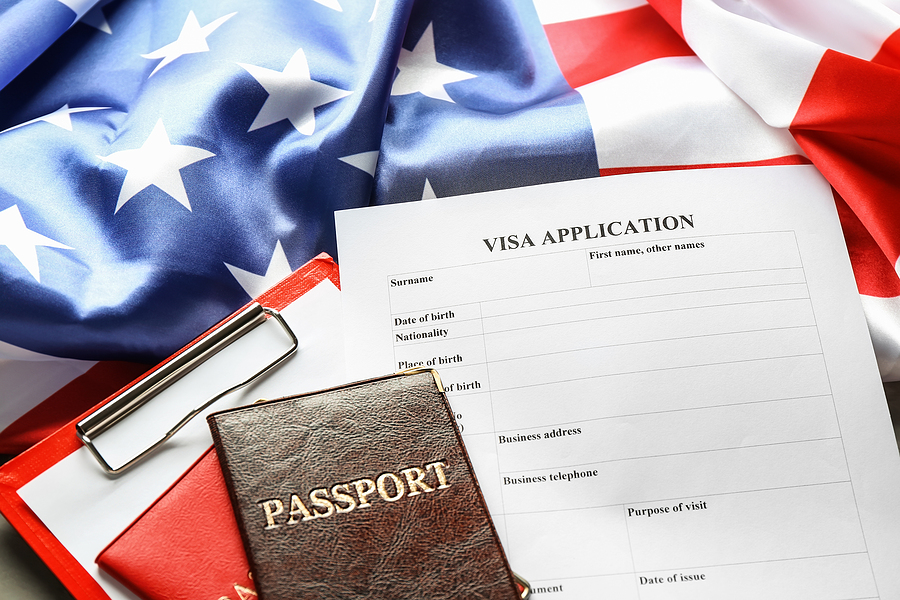
Why You Need Hollywood Family Immigration Lawyers
Which EB-1 Category May Apply to Your Background?
Immigration forms often ask simple-looking questions with legal consequences.
An answer about a prior entry, arrest, marriage, or immigration application can change which process is available.
EB-1A
EB-1A is generally used by people who can show extraordinary ability in their field. One advantage is that you can petition for yourself. You do not need a U.S. employer to sponsor the petition.
EB-1B
EB-1B is meant for outstanding professors and researchers. These cases usually involve a qualifying job offer from a U.S. employer, along with evidence of international recognition and enough teaching or research experience.
EB-1C
EB-1C applies to certain multinational managers and executives. Your employment outside the United States matters, as does your position with the U.S. company and the relationship between the two businesses. Choosing the right category early can keep you from spending time gathering evidence for a case that does not fit your background.

What Can Slow Down or Complicate a Family Petition
What Evidence Can Help Support an EB-1 Petition?
An EB-1 petition usually includes much more than a resume. If you are filing under EB-1A, your evidence might include awards, published articles about your work, publications you wrote, proof that you judged the work of others, high compensation, or records showing that you made significant contributions to your field.
A professor or researcher may rely on publications, citations, awards, research work, and professional recognition. For an executive or manager, the paperwork may focus more on job duties, company records, organizational charts, employment history, and the connection between the foreign and U.S. businesses. A stack of documents is not automatically a strong petition. USCIS still needs to see what those records say about your career.
Documents & Sponsorship
- Missing or inconsistent civil records
- Income below the sponsorship requirement
- Tax returns without supporting records
- Requests for Evidence from USCIS
History That Needs Review
- An arrest or criminal charge
- A prior removal order
- Unlawful presence or an overstay
- A false claim to citizenship or an inaccurate answer
What Can Make an EB-1 Visa Case More Difficult?
Sometimes people look at the EB-1 requirements and assume that checking enough boxes means the case will be approved. It is rarely that simple.
You may have published several articles, but USCIS can still ask what those publications show about your standing in the field. You may have a management title, but your everyday responsibilities could receive more attention than the title itself.
Recommendation letters can help, but they should match the rest of the record. A letter describing you as a leader in your industry carries less weight if the supporting documents do not show why. Past immigration issues or missing employment records can create additional questions too.
How EB-1 Cases Move Forward
How a Hollywood EB-1 Visa Lawyer Can Help With Your Petition
Before filing, we can look at the evidence you already have and identify where the case may need more support. Maybe you have strong publication records but very little third-party recognition. Perhaps your executive title sounds impressive, but the company documents do not clearly show your authority. Those are the kinds of issues that are easier to address before the petition reaches USCIS.
Sukkar & Associates helps clients prepare EB-1 petitions and other employment-based immigration matters. We can also help you respond if USCIS asks for more evidence after filing.
Get Help With Family Immigration From Sukkar & Associates
Get Help With Immigration from Sukkar & Associates
If you believe your career may qualify you for an EB-1 visa, start by having your actual background reviewed. Call Sukkar & Associates at (954) 922-2836 to discuss your EB-1 case.
Bring information about your work history, awards, publications, research, management duties, media coverage, or other accomplishments that may support the petition. From there, we can talk about which category makes the most sense and what may still be missing.
How We Help
Sukkar & Associates assists families in Hollywood with relative petitions, marriage-based green cards, fiancé visas, adjustment of status, consular processing, and responses to government notices.
Contact Sukkar & Associates
We will review your family relationship, immigration history, and goals before recommending what to file. Call Sukkar & Associates at (954) 922-2836 or contact us through our website to discuss your family immigration matter.
Common Questions
Family Immigration FAQs
Which relatives can a U.S. citizen petition for?
A U.S. citizen can petition for a spouse, parent, child, adult son or daughter, or sibling. You must be at least 21 years old to petition for a parent or sibling.
Can a green card holder petition for family members?
In most cases a permanent resident can file petitions for close family members, but not for a parent, sibling, or married child unless they later become a U.S. citizen.
Does an approved I-130 give my relative a green card?
No. An approved I-130 establishes the qualifying family relationship. Your relative must still complete adjustment of status or consular processing, whichever applies to their situation.
What if we do not have joint bank accounts or property?
Not every couple has a joint checking account or owns a home. The filing should explain how the relationship developed and how the couple stays involved in each other’s lives instead of presenting records without context.
How do I reach a Hollywood family immigration lawyer?
Call Sukkar & Associates at (954) 922-2836 or contact us through our website to discuss your family immigration matter.
Explore More
Our Practice Areas
Have an Immigration Question?
Take the first step toward your American dream.
Schedule a confidential consultation with Sukkar & Associates and explore every immigration option available to you and your family.