
Hollywood Naturalization Lawyers
For many people, it means more security, more opportunity, and a stronger future in the United States. But the naturalization process can also feel stressful if you are not sure whether you qualify or whether something in your history could create a problem.
Sukkar & Associates helps permanent residents in Hollywood, Florida, apply for citizenship. We review your eligibility, prepare your application, and help you understand what to expect before you file with USCIS.
Who Can Apply for Naturalization?
Once they have held a green card for the required wait period, most people take the next step to apply for citizenship. USCIS will look at how long you have been a lawful permanent resident, how much time you have spent in the United States, and whether you have maintained continuous residence.
USCIS also reviews good moral character. That means your criminal history, tax history, immigration record, travel history, and past answers on immigration forms may all matter.
Before you apply, it is worth making sure you are eligible. Filing too early or filing with unresolved issues can lead to delays, denial, or more serious immigration problems.
Naturalization form
Interview & tests
Final step to citizenship
Paths to Citizenship
Some applicants qualify based on marriage to a US citizen. Others apply based on long-term permanent residence. In some situations, a person may already have acquired citizenship through a parent without realizing it.
Marriage to a US citizen may allow some permanent residents to apply for naturalization sooner than they otherwise could.
Others apply based on long-term permanent residence, once they have held a green card for the required wait period.
In some situations, a person may already have acquired citizenship through a parent without realizing it.
Marriage, Family, and Citizenship Applications
Marriage to a US citizen may allow some permanent residents to apply for naturalization sooner than they otherwise could. But USCIS may also review the marriage history, especially if your green card was based on that relationship.
Divorce, separation, prior immigration filings, or changes in family circumstances can affect certain cases. That does not always mean you cannot apply, but it does mean your application should be prepared carefully.
Issues That Can Delay or Block Citizenship
Naturalization cases can run into problems for many reasons. A criminal record, long trips outside the United States, unpaid taxes, past immigration violations, missing records, or inconsistent answers may cause USCIS to take a closer look.
Some issues are fixable. Others need to be addressed before applying. The risk is that many people do not know there is a problem until they are already sitting in the USCIS interview or receive a request for more evidence.
What the Citizenship Process Looks Like
The application asks about your immigration history, travel, work, family, criminal record, taxes, memberships, and other background information.
After you file, USCIS will schedule a biometrics appointment.
An officer reviews your application, asks questions about your background, and confirms whether you meet the requirements. Most applicants also take the English and civics tests.
If USCIS approves your application, you attend an oath ceremony. After taking the Oath of Allegiance, you become a naturalized US citizen and receive your Certificate of Naturalization.
Talk to a Hollywood Naturalization Lawyer
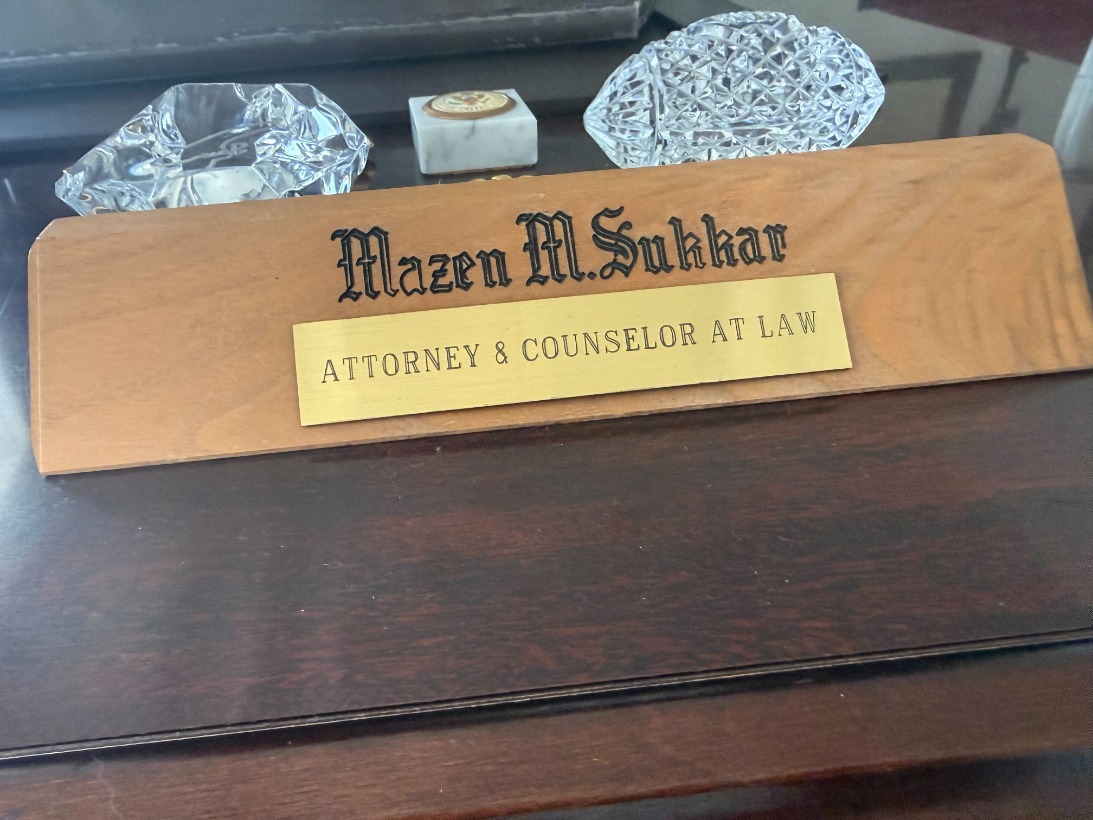
Our firm works with permanent residents in Hollywood, Florida on naturalization applications, USCIS interviews, denied applications, and related immigration issues.
If you are ready to apply for US citizenship or have concerns about your eligibility, contact Sukkar & Associates at (954) 922-2836 or through our website for help with immigration legal issues.
Common Questions
Most applicants do. The English portion covers basic reading, writing, and speaking. The civics portion covers US history and government. Some applicants may qualify for exceptions or accommodations depending on age, disability, or length of permanent residence.
USCIS looks at how long you have been a lawful permanent resident, how much time you have spent in the United States, and whether you have maintained continuous residence. It also reviews good moral character, which means your criminal history, tax history, immigration record, travel history, and past answers on immigration forms may all matter.
A denied application does not always mean the process is over. Depending on the reason, you may be able to respond, appeal, request a hearing, or reapply later with a stronger case.
Contact Sukkar & Associates at (954) 922-2836 or through our website for help with immigration legal issues.
Explore More
Have an Immigration Question?
Schedule a confidential consultation with Sukkar & Associates and explore every immigration option available to you and your family.